This article is part of HHGR's continuing education series for our valued customers.
Horology is the scientific and artistic study of timekeeping devices. The field encompasses the design, construction, history, and repair of clocks and watches. For centuries, horologists have developed increasingly sophisticated mechanisms to measure time with precision. Today, many timepieces—particularly mechanical watches and antique clocks, are considered both functional instruments and valuable collectible objects.
Because of their craftsmanship and complexity, fine timepieces often require professional appraisal for insurance, resale, estate planning, or documentation purposes.
What Is a Timepiece Appraisal?
A timepiece appraisal is a professional evaluation that identifies a watch or clock, documents its condition, and determines its current market or replacement value. While jewelry appraisals often focus on gemstones and precious metals, timepiece appraisals place greater emphasis on mechanical construction, brand history, and condition of the movement.
During the appraisal process, a horology specialist or qualified appraiser examines several key aspects of the watch or clock:
| Manufacturer and Model Identification – The brand, reference number, and serial number are recorded to determine the exact model and production period. | |
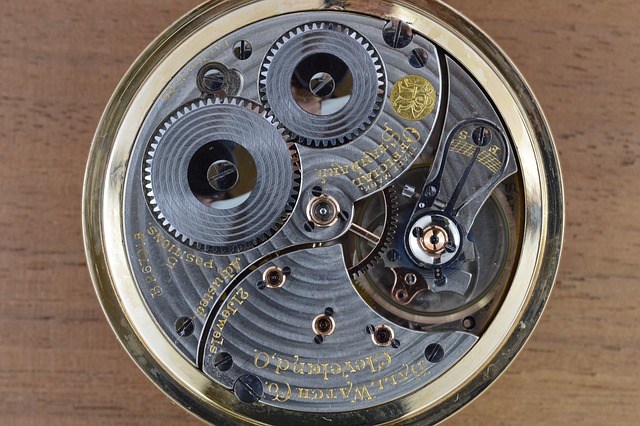
| Movement Type and Condition> – The internal mechanism is examined to determine whether it is mechanical, automatic, or quartz, and to assess the condition of the movement and its components. | |
| Case Material and Construction – Precious metal cases such as gold or platinum are evaluated for metal content and weight, though this typically plays a smaller role in valuation compared to jewelry. | |
| Originality and Authenticity – Appraisers examine whether components such as the dial, hands, bezel, and bracelet are original to the watch. Replacement parts can significantly affect collectible value. | |
| Overall Condition and Functionality – Wear, servicing history, and the operational performance of the timepiece are documented. |
Tools Used in Horological Examination
Several specialized tools help appraisers evaluate timepieces accurately:
| Watchmaker’s Loupe – Used to inspect fine details of the dial, movement, and case markings. | |
| Microscope – Allows close examination of movement components, engravings, and serial numbers. | |
| Timing Machine – Measures the accuracy of a mechanical watch and analyzes how well the movement keeps time. | |
| Precision Scale and Calipers – Used to measure case dimensions and weight, especially when precious metals are involved. |
How Timepiece Appraisals Differ from Jewelry Appraisals
While jewelry appraisals primarily evaluate gemstone quality and precious metal content, timepiece appraisals are driven more by mechanical complexity, brand reputation, rarity, and collectibility. A watch with a relatively small amount of gold may still be extremely valuable if it was produced by a prestigious manufacturer or contains a highly complicated mechanical movement.
Another key difference is that watches often have a strong collector market, meaning their value may be influenced by model rarity, historical significance, and demand among collectors.
The Importance of Professional Documentation
Just like jewelry, fine watches and clocks should be documented with professional appraisal reports for insurance coverage. These reports include detailed descriptions, photographs, and an estimated replacement value based on current market conditions. For collectors and owners alike, a professional timepiece appraisal provides a clear record of the watch’s identity, craftsmanship, and value, ensuring that these remarkable instruments of timekeeping are properly understood and protected.